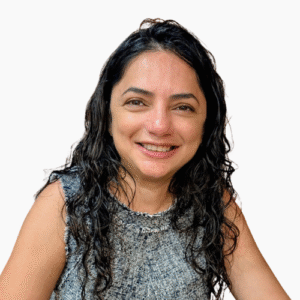
Salma Merchant
Biology Research Scientist Alnylam Pharmaceuticals
I am a rigorous scientist with over 15 years of experience in hematology, oncology, immunology, gene editing and drug discovery, with a strong track record of leading translational research from early discovery to preclinical development. My expertise spans in vivo and in vitro pharmacology, gene editing, and target discovery and validation, with extensive hands-on experience in developing and characterizing pre-clinical humanized mice and models for hematopoietic diseases and cancer. At biotech, I have led cross-functional teams and managed external collaborations (CROs), contributing to programs focused on cell-targeted lipid nanoparticle (ctLNP) platforms, stem cell gene therapy for conditions such as Sickle Cell Disease and β-thalassemia and siRNA therapeutics for T cell-mediated autoimmune diseases. My academic research includes pioneering work on stem cell metabolism, proteostasis, and the molecular mechanisms of blood cancers, resulting in 12+ publications in top-tier journals such as Cell, Cell Stem Cell, Science, and Blood. I’ve had the privilege of mentoring undergraduate and graduate students, junior scientists, and research technicians in a way that fosters growth and impact. Known for strategic thinking, strong collaboration, and scientific rigor, I bring a demonstrated ability to translate innovative science into meaningful therapeutic advancements.
Seminars
This workshop will critically evaluate the translational limitations of in vitro and in vivo models in MG, CIDP, GBS and MMN. While MG may be comparatively easier to model, CIDP and GBS rely on complicated induction systems that do not reliably reflect human immunologic origin, heterogeneity or anatomical distribution. By directly interrogating how current models oversimplify antibody-driven pathology, fail to capture unknown autoantibody subsets (particularly in CIDP/MMN), and may not represent disease compartments such as spinal involvement, developers can recalibrate go/no-go decisions earlier in the pipeline. Attendees will redefine what constitutes meaningful translational evidence, ensuring that preclinical immune modulation signals correlate with functional muscle improvement and clinically relevant biomarkers before advancing assets into heterogeneous patient populations.
Key Questions to be Addressed:
- Analyzing how current in vivo induction methods fail to accurately reflect human disease mechanisms, particularly in CIDP and MS
- Discuss the pros and cons of existing animal models, and how to best utilize them in drug development (MG, SLE, Myositis, etc…)
- Embedding clinically relevant biomarkers into preclinical assays to improve forward and reverse translation
- Defining what constitutes a translatable efficacy signal rather than an isolated model-specific response
- Clinical trial in a Dish